
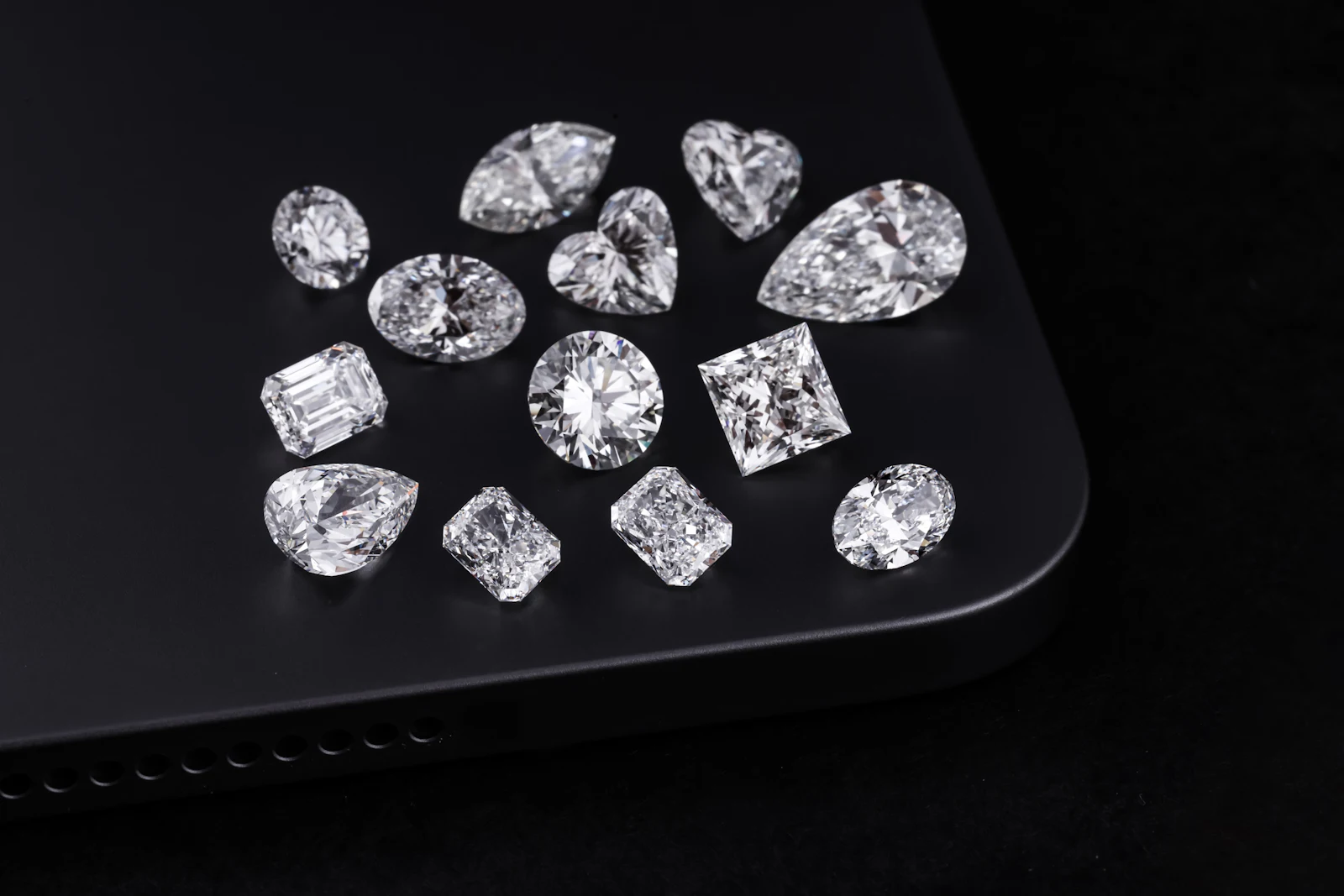
Lab-grown vs mined diamonds: what you need to know
Few questions come up more often at our Hatton Garden counter. Lab-grown and mined diamonds are both real diamonds, but they differ in origin and price, and in how they hold value over time.
Same stone, different origin
A lab-grown diamond is pure crystallised carbon with the same hardness (10 on the Mohs scale), the same brilliance and the same chemical structure as a diamond formed deep in the earth. It is not a simulant like cubic zirconia or moissanite. Without specialist laboratory equipment, even an experienced gemmologist cannot tell the two apart.
How they are made
- HPHT (high pressure, high temperature) recreates the conditions of the earth’s mantle in a press.
- CVD (chemical vapour deposition) grows a diamond layer by layer from carbon-rich gas.
Both take weeks rather than billions of years.
Grading and disclosure
Both types are graded on the familiar 4Cs: cut, colour, clarity and carat. Reputable laboratories issue reports for each and laser-inscribe lab-grown stones on the girdle. In the UK, sellers must clearly disclose when a diamond is laboratory-grown. Always ask for the grading report.
Price and value
Lab-grown diamonds cost far less for the same size and quality, so you can choose a larger stone for the same budget. Their resale value, however, is much lower and less predictable, because production keeps getting cheaper. Mined diamonds carry rarity and, for some buyers, emotional significance.
Ethics
Both can be responsibly sourced. Mined diamonds should come with a Kimberley Process warranty and ideally traceable origin. Lab-grown stones avoid mining but use substantial energy, so the producer’s energy source matters.
Caring for either
Exactly the same. Both are hard enough for daily wear and both attract grease. Our gemstone care guide applies to either.
Care advice, personalised. Every piece is different. Add yours to the usgoldapp care planner and get a plan written for its metal, carat and stones in seconds.