
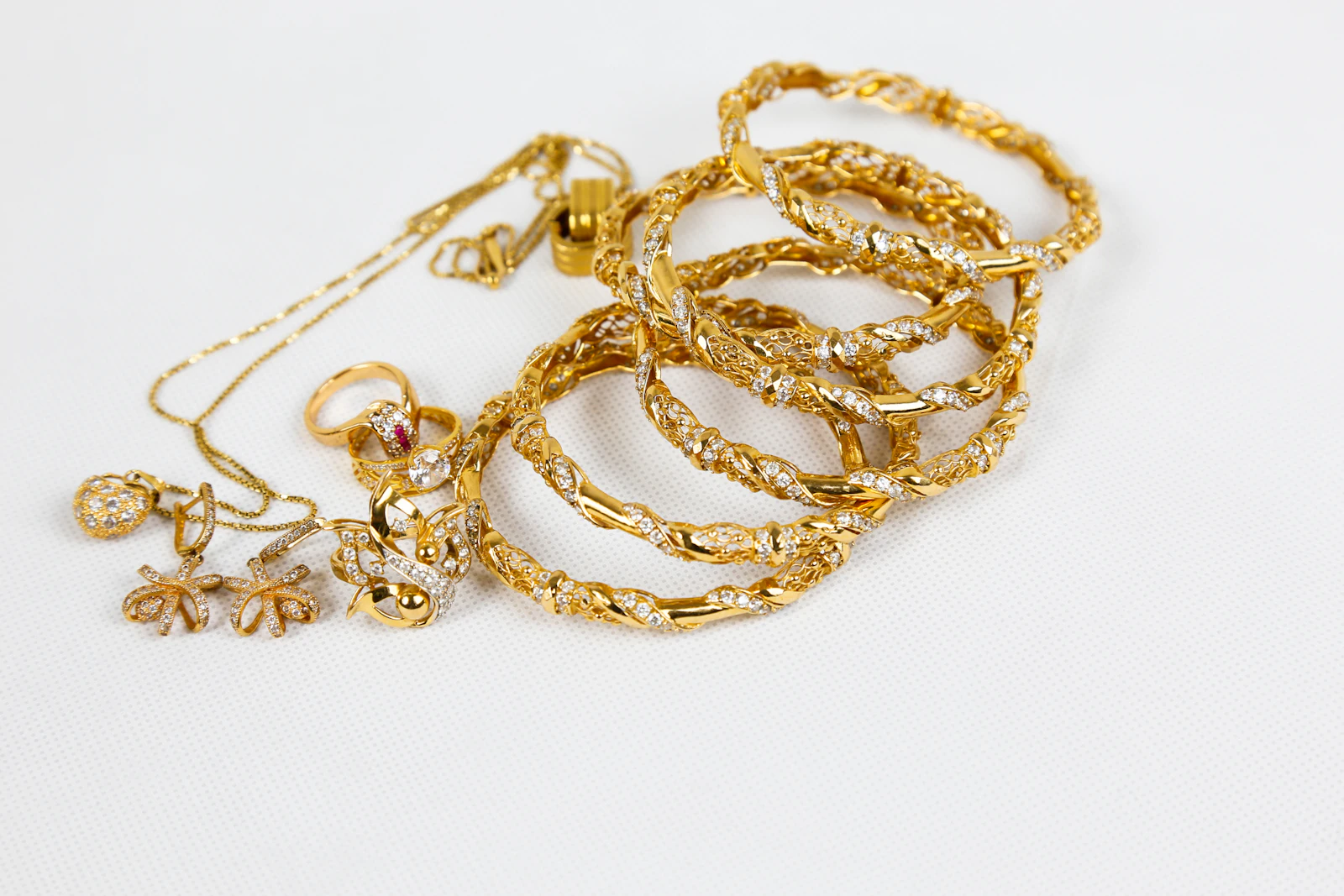
Fine gold chains: preventing knots, kinks and breaks
Fine chains, the trace, box and snake styles often used for pendants, are some of the most worn pieces we own and some of the most often damaged. Most breaks have one of three causes: knots, kinks and sleeping in them.
How to untangle a knot
- Lay the chain flat on a smooth, light-coloured surface under a good lamp.
- Add one drop of baby oil to the knot. It lubricates the links.
- Insert two fine sewing pins into the centre of the knot and gently pull them apart to loosen it.
- Keep working the knot open from the inside out. Never pull the two ends of the chain.
- Once it is free, wash off the oil with a soapy rinse and dry the chain thoroughly.
Kinks are permanent
A sharp fold flattens or stretches the links, and that weak point is where the chain will eventually snap. If you see a kink, do not try to straighten it by pulling. A jeweller can often replace the affected section.
Habits that protect chains
- Take necklaces off before sleeping. Turning over in bed puts tension on the chain all night.
- Fasten the clasp before you put it away, and store chains hanging or laid straight.
- Put necklaces on after you dress and take them off before you undress, so they do not catch on knitwear.
- Check the clasp spring now and then. If it is slow to close, have it replaced, because it is an inexpensive fix.
- Thread chains through a drinking straw when you travel.
Choose the right chain for the pendant
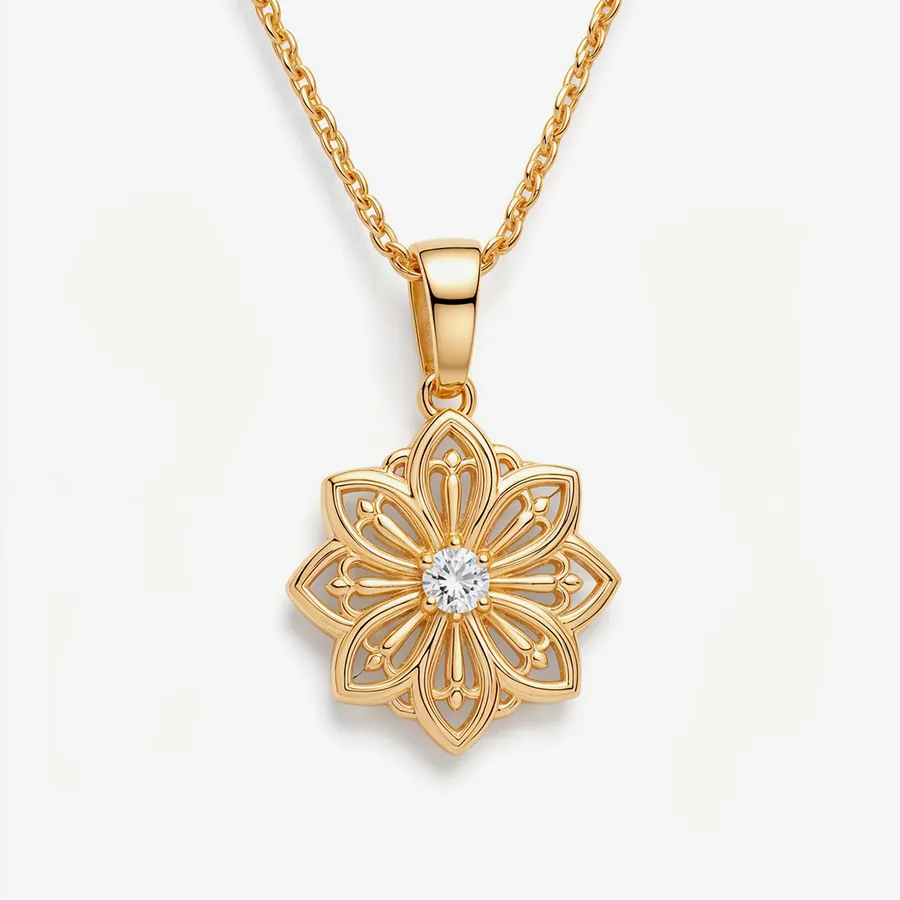
A heavy pendant on a very fine chain wears through the bail and the links quickly. As a guide, the chain should be at least a third of the pendant’s thickness. Our team can recommend a matching chain for any pendant in our necklace collection.
Care advice, personalised. Every piece is different. Add yours to the usgoldapp care planner and get a plan written for its metal, carat and stones in seconds.