
Why you should never swim in your gold
Jewellers see it every summer: a ring that has turned dull, a chain that has snapped, or a much-loved band lost at the bottom of a pool. Water itself is harmless to gold. What is in the water, and what water does to your fingers, is not.
What chlorine does to gold
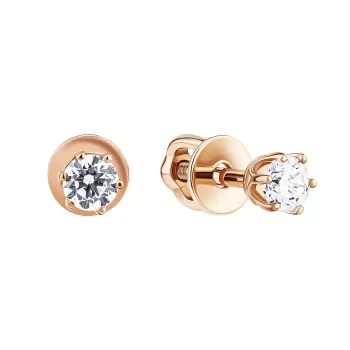
Jewellery gold is an alloy. Chlorine reacts with the copper, silver and zinc mixed into it. Repeated exposure can cause stress corrosion cracking: tiny fractures that form where the metal is under tension, such as ring claws, solder joints and clasp springs. Over time a claw can snap and a stone can fall out. The lower the carat, the more alloy there is to attack.
- Hot tubs are the worst, because heat speeds up the chemical reaction.
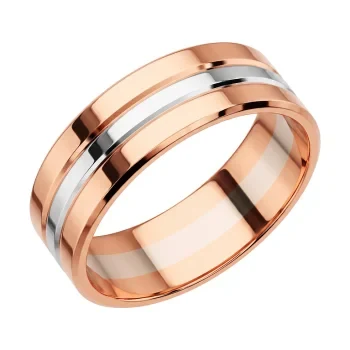
- Rose gold, with its high copper content, may also darken unevenly.
- Gold-plated and vermeil pieces can lose their plating far faster.
The sea isn’t much better
Salt water leaves deposits that dull the surface, and sand is a natural abrasive that scratches polished gold. Sunscreen adds a greasy film that dims gemstones.
The disappearing ring
Cold water constricts blood vessels, so your fingers shrink, sometimes by a full ring size. Combine that with slippery hands and a ring can slide off without you noticing. Many lost-property cupboards at swimming pools hold at least one wedding band.
The rule of thumb: if you are getting into chlorinated or salt water, take it off. Keep a small zipped pouch in your swim bag so your pieces always have somewhere safe to go.
Already been swimming in it?
Don’t panic. One swim won’t cause harm. Rinse the piece in fresh lukewarm water as soon as you can, give it a gentle soapy clean (see our cleaning routine) and dry it thoroughly. If you swim often in a ring with stones, book a setting check every six months.
Care advice, personalised. Every piece is different. Add yours to the usgoldapp care planner and get a plan written for its metal, carat and stones in seconds.