
Gold carats explained: 9ct, 14ct, 18ct or 22ct?
“Carat” (ct) measures how much of a piece is pure gold, out of 24 parts. More gold means a richer colour and a higher price, but it also means a softer metal. The right choice depends on how you will wear the piece.
Purity at a glance
| Carat | Pure gold | UK hallmark | Hardness | Colour |
|---|---|---|---|---|
| 9ct | 37.5% | 375 | Very hard | Paler, soft yellow |
| 14ct | 58.5% | 585 | Hard | Warm yellow |
| 18ct | 75.0% | 750 | Medium | Rich, buttery yellow |
| 22ct | 91.6% | 916 | Soft | Deep, saturated yellow |
| 24ct | 99.9% | 999 | Very soft | Intense orange-yellow |
Why mix gold with other metals?
Pure gold is about as soft as a fingernail. Jewellers alloy it with silver, copper, zinc and sometimes palladium to make it harder and to change its colour:
- Yellow gold: gold with a balance of silver and copper.
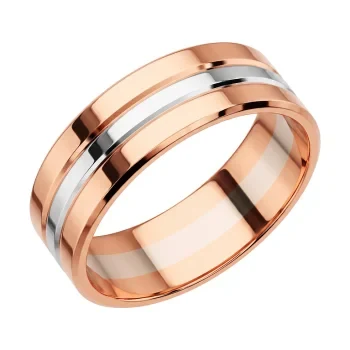
- Rose gold: more copper, which gives the blush tone and makes it tougher.
- White gold: gold with palladium or silver, usually finished with rhodium plating for a bright white surface.

Which carat should you choose?
9ct: for everyday durability
The most popular carat in the UK, and the hardest. It is good for rings worn every day, children’s jewellery and pieces that get knocked about. It costs much less, but it can develop a faint surface tarnish, which is easy to polish away.
14ct: the balanced choice
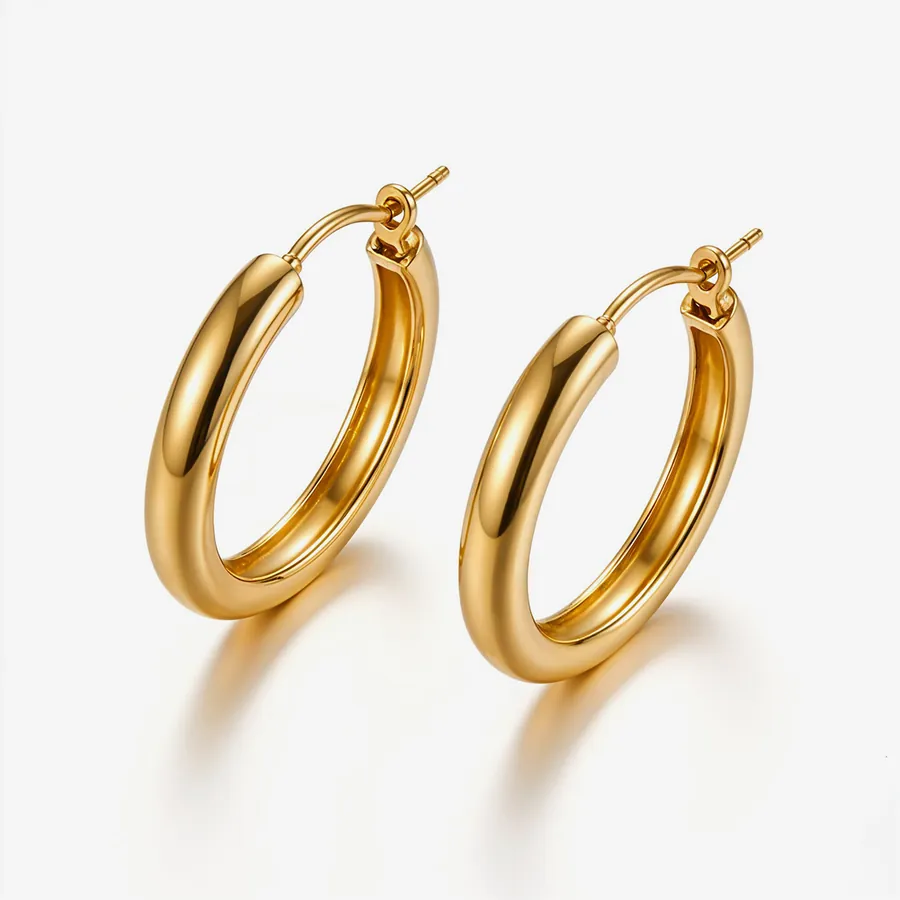
Common in Europe and the US. It has a warmer colour than 9ct but stays strong enough for daily wear, which makes it a good compromise for stacking rings and hoops.
18ct: the fine-jewellery standard
Most engagement rings and high-end pieces are 18ct. It has a luxurious colour, does not tarnish and is less likely to irritate sensitive skin. It is slightly softer, so expect fine surface marks to build up into a satin patina over time.
22ct and 24ct: for heirlooms and occasions
These have a beautiful colour but scratch and bend easily. They are best kept for pieces worn on occasion rather than rings worn every day.
Sensitive skin?
Skin reactions to gold jewellery are almost always caused by the alloy metals, most often nickel in some white golds, rather than the gold itself. If you react to cheaper jewellery, choose 18ct or nickel-free white gold, and keep pieces clean so sweat and soap do not sit against the skin.
Care advice, personalised. Every piece is different. Add yours to the usgoldapp care planner and get a plan written for its metal, carat and stones in seconds.